what is pathology
Understanding Pathology: The Science of Disease
Pathology is the branch of medicine that deals with the study of diseases—their causes, processes, development, and consequences. Often considered the foundation of modern medicine, pathology bridges science and clinical practice, playing a critical role in every aspect of patient care, from diagnosis to treatment and prevention.
At its core, pathology seeks to understand how and why diseases occur, how they affect the body, and how they can be diagnosed and managed. The discipline encompasses a wide range of techniques, including gross examination, histology, molecular biology, microbiology, and clinical laboratory testing.
The Origins and Evolution of Pathology
The roots of pathology trace back to ancient civilizations, where early physicians attempted to understand disease through observation and rudimentary dissection. However, it was not until the 19th century that pathology emerged as a formal scientific discipline. German physician Rudolf Virchow, often called the “Father of Modern Pathology,” revolutionized the field by introducing the concept that diseases originate at the cellular level. His work laid the groundwork for modern histopathology and cellular pathology.
Main Branches of Pathology
Pathology is a vast and multifaceted discipline, with several subspecialties that focus on specific aspects of disease:
1. Anatomical Pathology
Anatomical pathology involves the examination of tissues, organs, and bodily fluids to diagnose disease. It includes:
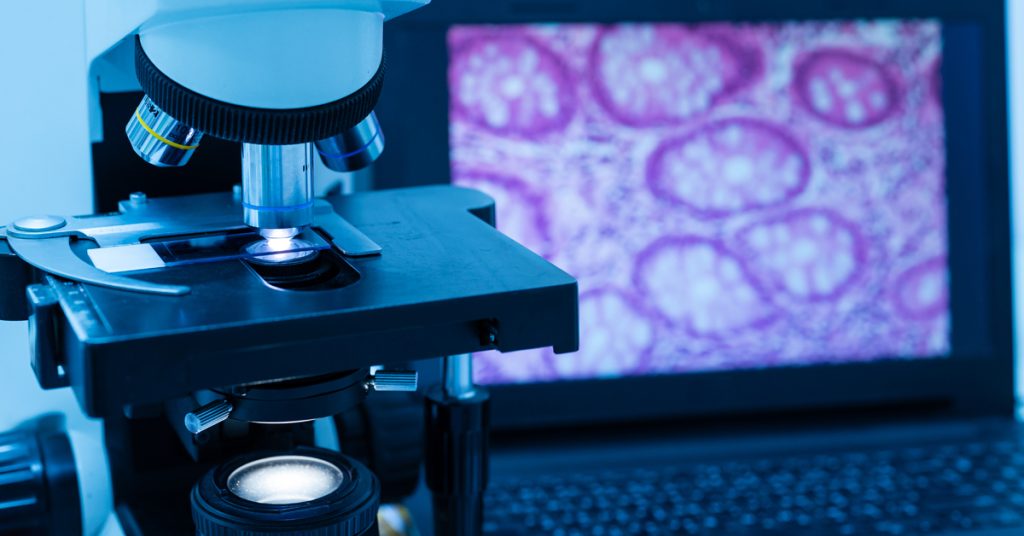
Histopathology: The microscopic study of tissue samples, often obtained via biopsy or surgery. It is central to cancer diagnosis and grading.
Cytopathology: The examination of individual cells, commonly used in tests like the Pap smear for cervical cancer screening.
Forensic Pathology: The investigation of death, especially those occurring under unusual or suspicious circumstances. Forensic pathologists perform autopsies and work closely with law enforcement.
2. Clinical Pathology
Also known as laboratory medicine, this branch focuses on the analysis of bodily fluids—such as blood, urine, and cerebrospinal fluid—to diagnose disease. Subfields include:
Hematology: The study of blood disorders such as anemia, leukemia, and clotting conditions.
Microbiology: The detection of infectious diseases caused by bacteria, viruses, fungi, and parasites.
Clinical Chemistry: The measurement of substances in bodily fluids to assess organ function or detect disease.
Immunology: The evaluation of immune function and diagnosis of autoimmune diseases, allergies, and immunodeficiencies.
3. Molecular Pathology
This is an emerging field that studies disease at the genetic and molecular level. It plays a crucial role in the diagnosis and management of cancers, inherited conditions, and infectious diseases. Techniques such as PCR, next-generation sequencing, and gene expression analysis are used to detect mutations and guide targeted therapies.
The Role of the Pathologist
Pathologists are medical doctors with specialized training in diagnosing diseases through laboratory and microscopic analysis. They may not always interact directly with patients, but their work is indispensable in guiding clinical decisions. A pathologist may determine whether a tumor is benign or malignant, identify an infection, or explain the cause of an unexpected death.
Pathologists also contribute to:
Disease prevention: By identifying precancerous conditions or infectious outbreaks.
Treatment planning: For example, identifying biomarkers that predict response to specific cancer therapies.
Monitoring treatment effectiveness: Through lab tests that track disease progression or remission.
The Diagnostic Process
The journey from specimen collection to diagnosis involves several steps:
Specimen Collection: Samples may include tissue biopsies, blood, sputum, urine, or cerebrospinal fluid.
Processing: Tissue samples are fixed, embedded, sectioned, and stained for microscopic examination. Blood and fluid samples undergo chemical and microscopic analysis.
Examination and Interpretation: Pathologists examine samples to identify abnormalities—such as changes in cell structure, presence of pathogens, or abnormal protein levels.
Reporting: A detailed report is generated, often with a definitive diagnosis, which clinicians use to develop a treatment plan.
Advances in Pathology
Modern pathology has embraced digital technologies and molecular techniques, transforming how diseases are diagnosed and managed.
1. Digital Pathology
The digitization of slides allows pathologists to view, store, and share images electronically. This innovation supports remote diagnosis (telepathology), facilitates collaboration, and enables the use of artificial intelligence (AI) for pattern recognition and diagnostics.
2. Artificial Intelligence and Machine Learning
AI is being integrated into pathology workflows to assist with image analysis, such as identifying cancer cells or grading tumors. While AI doesn’t replace human expertise, it enhances accuracy and efficiency.
3. Molecular and Genomic Testing
Next-generation sequencing (NGS) has opened new horizons in personalized medicine. By analyzing the genetic profile of tumors, pathologists can predict which treatments are most likely to be effective, minimizing unnecessary side effects.
4. Liquid Biopsies
These tests detect cancer-related DNA fragments in blood samples, offering a non-invasive method for early detection, monitoring response to treatment, and identifying recurrence.
Challenges in Pathology
Despite its critical role, pathology faces several challenges:
Workforce Shortages: In many countries, there is a shortage of trained pathologists, which can delay diagnoses.
Diagnostic Errors: Though rare, misdiagnoses can have serious consequences. Quality control, second opinions, and AI tools aim to reduce such errors.
Integration of New Technologies: Keeping up with advances requires continual training and investment in infrastructure.
The Future of Pathology
The future of pathology is increasingly integrated with data science, precision medicine, and automation. Key developments on the horizon include:
Pathomics: The integration of pathology with omics data (genomics, proteomics, metabolomics) to create a more comprehensive disease profile.
Predictive Analytics: Using data from pathology and other sources to predict disease risk, progression, and treatment outcomes.
Global Collaboration: With digital platforms, pathologists worldwide can share knowledge, consult on complex cases, and standardize practices.
Conclusion
Pathology is much more than the “study of disease”; it is the backbone of medical diagnosis and patient care. As science and technology evolve, so does pathology—offering more precise, personalized, and predictive insights into human health. By unraveling the mysteries of disease at the cellular and molecular level, pathologists not only help treat patients but also pave the way for future discoveries and breakthroughs.