What is physiology
Understanding Physiology:
The Science of Life
Physiology is the branch of biology that deals with the normal functions of living organisms and their parts. It explains how cells, tissues, and organs work together to support life. From breathing to digestion, muscle contraction to hormone secretion, physiology covers the intricate processes that make our bodies function properly. Understanding physiology is essential for students of biology, medicine, and health sciences because it provides the foundation for diagnosing diseases, developing treatments, and promoting wellness.
Historical Background
The study of physiology has ancient roots, with contributions from civilizations like Egypt, Greece, and China. Hippocrates, often called the “Father of Medicine,” emphasized observation and understanding natural causes of illness. Galen, a Roman physician, advanced the knowledge of anatomy and physiology through dissection and experimentation. However, modern physiology began to take shape during the 17th century with the scientific method’s emergence.
Key figures such as William Harvey, who described blood circulation, and Claude Bernard, who introduced the concept of the internal environment or “milieu intérieur,” revolutionized the field. Bernard’s ideas laid the groundwork for the concept of homeostasis, later refined by Walter Cannon in the 20th century.
Levels of Organization
Physiology can be studied at various levels:
Cellular Level: The cell is the basic unit of life. Cell physiology focuses on how cells carry out processes like energy production (through mitochondria), waste removal, and communication through signaling pathways.
Tissue Level: Tissues are groups of similar cells that perform specific functions. The four primary tissue types are epithelial, connective, muscle, and nervous tissues.
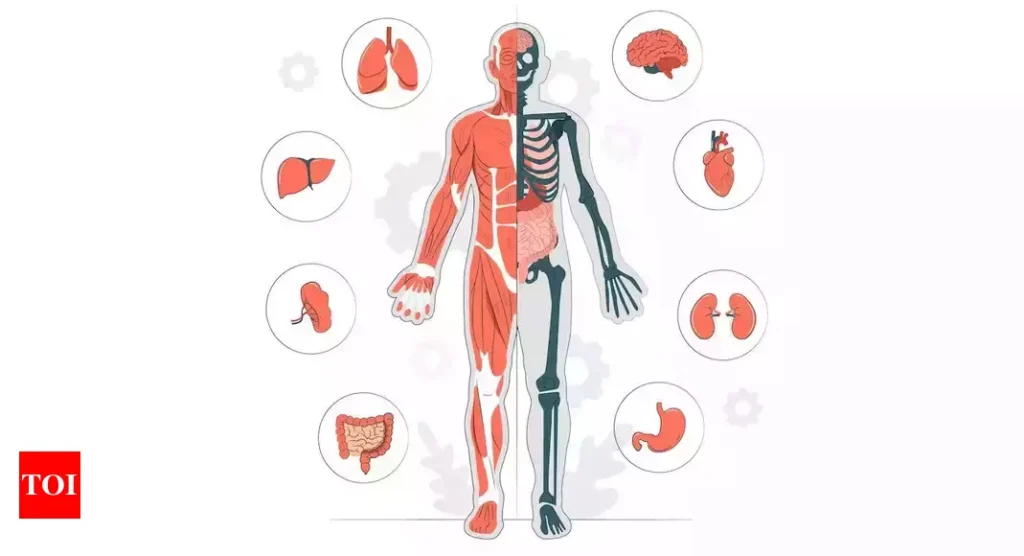
Organ and System Level: Organs are composed of two or more types of tissues working together. Organ systems include the circulatory, respiratory, nervous, endocrine, muscular, digestive, excretory, and reproductive systems, each contributing to overall homeostasis.
Whole-Body Level: This level examines how all the systems integrate and respond to internal and external stimuli to maintain balance and health.
Key Concepts in Physiology
1. Homeostasis
Homeostasis is the body’s ability to maintain a stable internal environment despite changes in the external environment. Temperature, pH, glucose levels, and electrolyte balance must remain within narrow ranges for cells to function correctly. Homeostatic mechanisms involve sensors (receptors), control centers (often in the brain), and effectors (such as muscles or glands) that restore balance when it’s disrupted.
For example, if body temperature rises, receptors in the skin send signals to the hypothalamus, which triggers sweating and dilation of blood vessels to cool the body.
2. Feedback Mechanisms
Homeostasis is maintained through feedback loops:
Negative Feedback: The most common mechanism, it reduces the effect of a stimulus. For instance, if blood sugar rises after a meal, insulin is released to lower it.
Positive Feedback: This amplifies the original signal, usually to achieve a specific outcome. An example is the release of oxytocin during childbirth, which intensifies uterine contractions until delivery occurs.
3. Cell Communication
Cells communicate via chemical signals like hormones and neurotransmitters. This communication is essential for coordinating functions across different parts of the body. For example, neurons transmit electrical impulses and release neurotransmitters to communicate with other cells, enabling responses like movement or pain sensation.
Major Physiological Systems
1. Nervous System
The nervous system includes the brain, spinal cord, and peripheral nerves. It is responsible for sensory input, motor control, and higher functions such as memory, emotion, and decision-making. It uses electrical impulses and neurotransmitters to transmit signals rapidly.
2. Endocrine System
This system uses hormones—chemical messengers released into the blood—to regulate growth, metabolism, reproduction, and stress responses. Major glands include the pituitary, thyroid, adrenal glands, and pancreas.
3. Cardiovascular System
Composed of the heart, blood, and blood vessels, this system transports oxygen, nutrients, hormones, and waste products throughout the body. Blood circulation is critical for tissue health and maintaining homeostasis.
4. Respiratory System
This system facilitates the exchange of oxygen and carbon dioxide between the body and the environment. It includes the lungs, trachea, and diaphragm. Proper respiratory function is vital for cellular respiration, the process by which cells generate energy.
5. Musculoskeletal System
Bones, muscles, tendons, and ligaments work together to support the body and facilitate movement. Muscle contractions also play a role in generating heat and maintaining posture.
6. Digestive System
This system breaks down food into nutrients the body can absorb and use. It includes the mouth, stomach, intestines, liver, and pancreas. Digestive enzymes and motility play key roles in this process.
7. Excretory System
The kidneys, bladder, and associated structures remove waste products from the body and regulate water and electrolyte balance. The kidneys also help regulate blood pressure and produce hormones like erythropoietin.
8. Immune System
The immune system defends against pathogens like bacteria, viruses, and fungi. It includes white blood cells, antibodies, the lymphatic system, and organs like the spleen and thymus.
Physiology and Health
Understanding normal physiology is crucial for identifying and treating disease. Pathophysiology—the study of how physiological processes are altered in disease—builds upon normal physiology. For instance, understanding how insulin regulates blood glucose helps in treating diabetes. Similarly, knowledge of cardiovascular physiology is vital in managing hypertension and heart disease.
Physiology also plays a role in preventive health and wellness. Nutrition, exercise, stress management, and sleep all impact physiological function. Exercise physiology, for example, explores how physical activity influences heart rate, muscle strength, and metabolism.
Research and Modern Advances
Modern physiology relies heavily on advanced tools like imaging technologies (MRI, CT scans), molecular biology, and computational modeling. Research in physiology contributes to medical breakthroughs, such as new drug development, gene therapy, and personalized medicine.
Interdisciplinary fields such as neurophysiology, cardiovascular physiology, and reproductive physiology are areas of ongoing research. The rise of systems biology and integrative physiology aims to understand the body as a network of interconnected systems rather than isolated parts.
Conclusion
Physiology is the cornerstone of biomedical science. It helps us understand how our bodies work, adapt, and respond to their environment. Whether you’re a student, healthcare professional, or someone interested in the science of life, learning physiology provides valuable insight into health, disease, and the remarkable complexity of the human body.